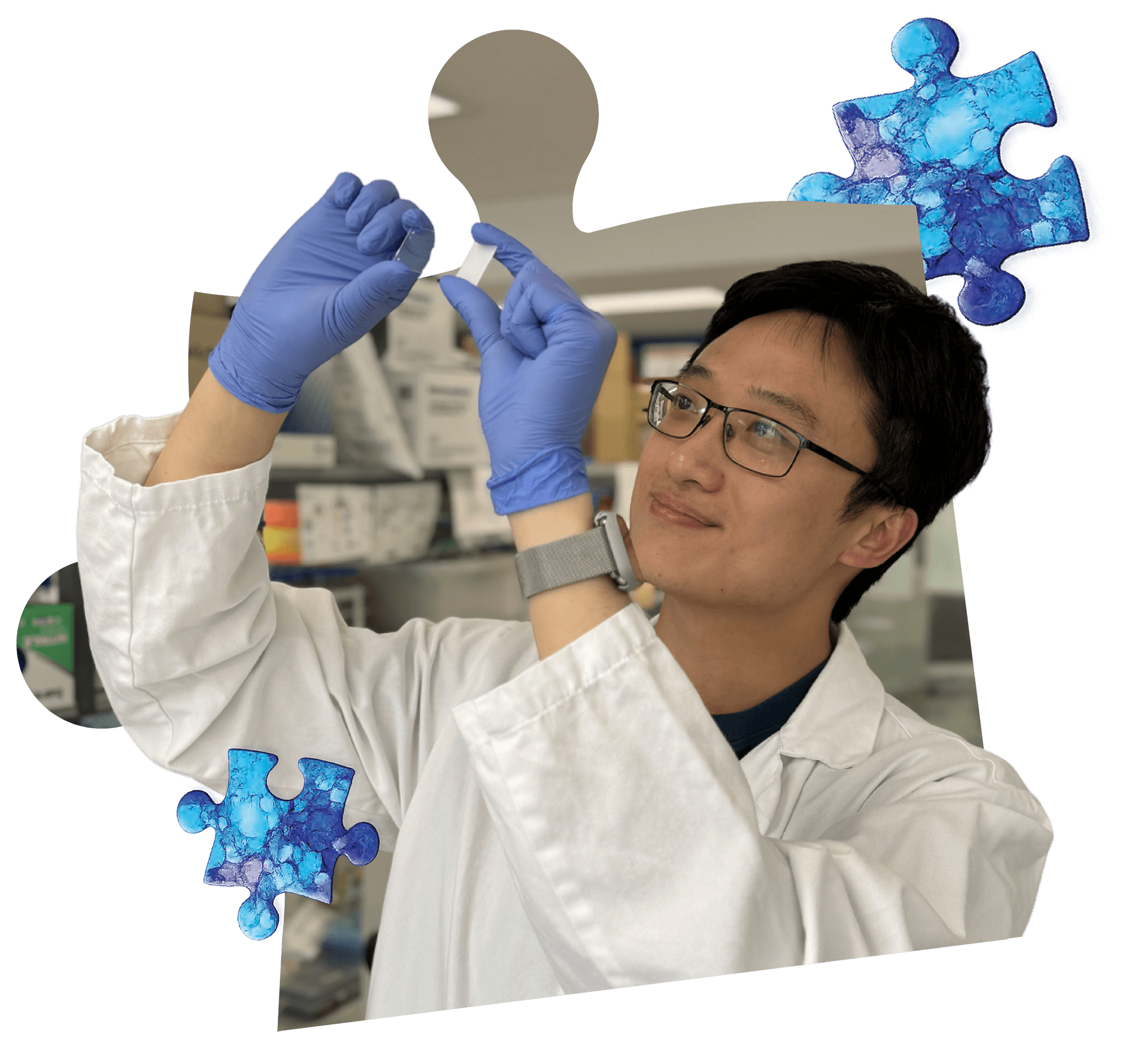
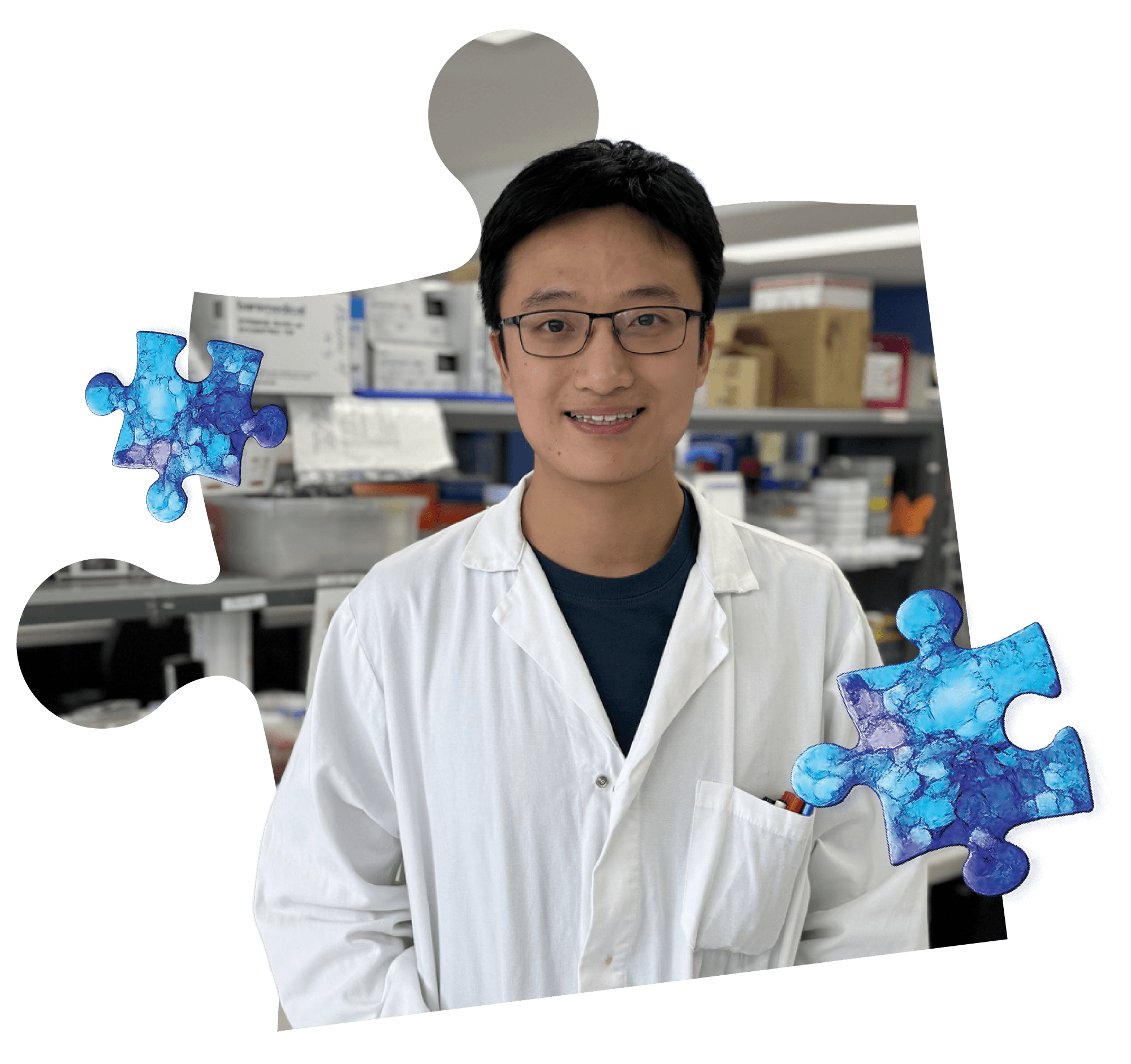
“Type 1 diabetes (T1D) is on my mother’s side of the family. Several of her siblings and my grandmother were all diagnosed… so I grew up witnessing the burden that diabetes places on patients and their families.”
— Dr Seigmund Lai, St Vincent’s Institute of Medical Research
Dr Seigmund Lai’s Breakthrough T1D-funded research is focused on a critical challenge in type 1 diabetes (T1D).
How can we replace the insulin-producing cells destroyed by the condition without relying on long-term immunosuppressant drugs?
Dr Lai's approach combines 2 strategies: reducing the immune system’s attack on transplanted cells – while making those cells less visible to immune detection.
Together, these innovations aim to make cell replacement therapies safer, more effective, and accessible to more people.
Replacing the cells lost in T1D
In T1D, the body’s immune system destroys beta cells in the pancreas, which are responsible for producing insulin. Replacing these cells offers a promising path toward restoring natural insulin production. Current approaches include islet transplantation, where islets, which contain insulin-producing beta cells, are taken from donor pancreases and transplanted into a person with T1D.
While this can be effective, it requires lifelong use of immunosuppressant drugs to prevent rejection. But these drugs come with serious side effects.
Another major limitation is supply. There just aren't enough donor organs to meet demand.
This is why only a small number of people can access this therapy at the moment. In Australia, this is limited to people with T1D who have severe hypoglycaemia (low blood glucose) unawareness and who meet specific medical criteria.
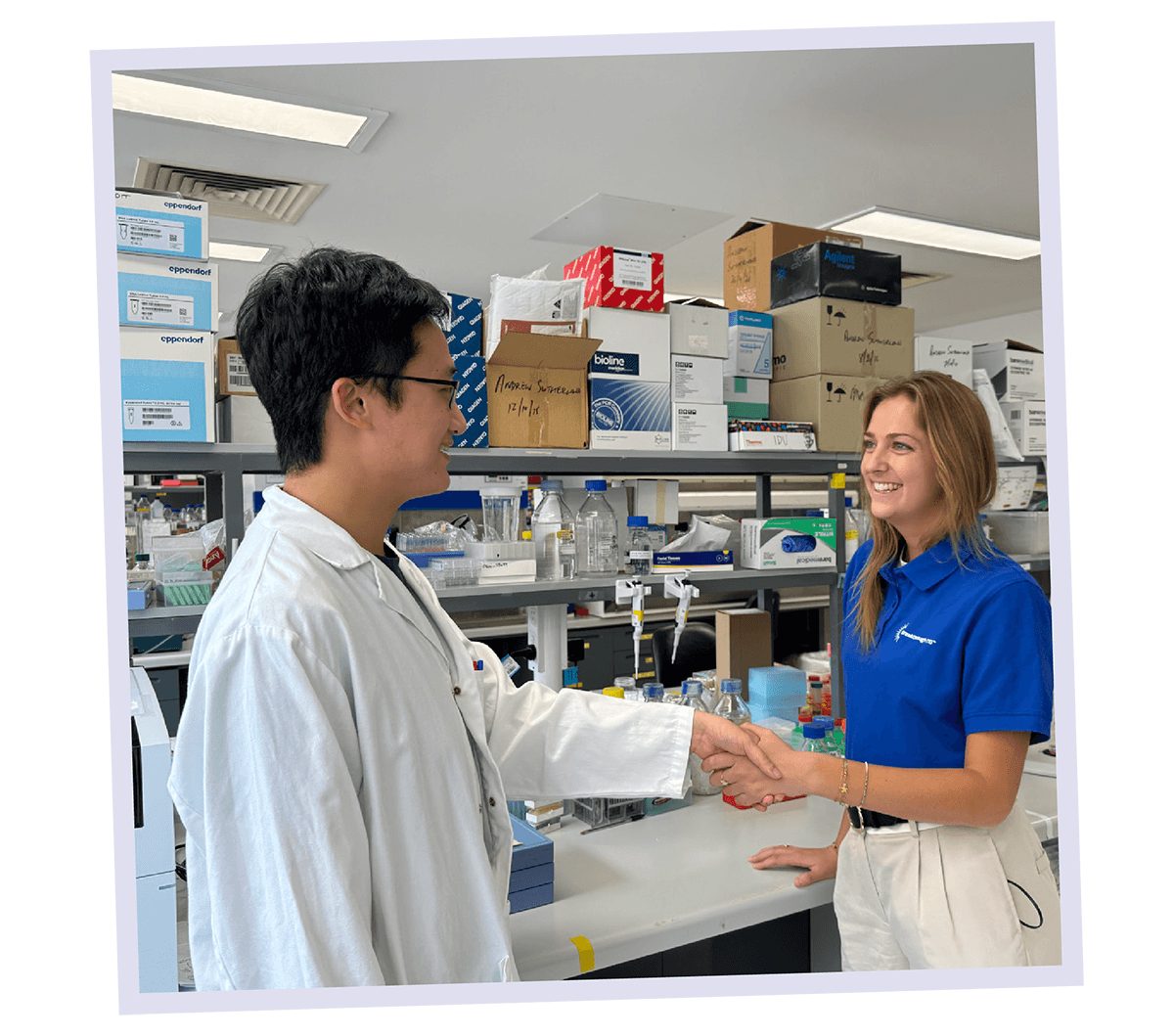
“People who receive islet transplants currently need to take strong immunosuppressant drugs to stop their body from attacking the new insulin-producing cells. These drugs come with dangerous side effects, such as increased risk of cancer, infection and kidney damage.”
The promise and limits of stem cells
Stem cell-derived beta cells offer a potential solution to the supply problem, as they can be produced in large quantities in the lab. However, like donor transplants, they're still vulnerable to immune attack, meaning immunosuppressant drugs are still required. This remains a major barrier to making beta cell replacement a widely viable treatment.
Tackling immune rejection in new ways
Dr Lai’s research addresses this barrier head-on. He's investigating whether a class of drugs known as JAK inhibitors can provide targeted immune modulation to protect transplanted cells, potentially with fewer side effects than traditional immunosuppressants. These drugs may help “quiet” the immune response around transplanted cells without broadly suppressing the entire immune system.
At the same time, Dr Lai is using gene editing to make stem cell-derived beta cells less detectable to the immune system. By removing or altering genes involved in immune recognition, or enhancing protective mechanisms, these cells may be able to evade attack altogether. Testing these approaches both individually and in combination will help identify the most effective strategy.
Understanding the immune response
A key part of this work is improving our understanding of how the immune system targets transplanted cells. Dr Lai is studying these interactions in the lab to better understand both types of immune response involved – the body’s reaction to foreign cells, and the autoimmune response that originally caused T1D. Insights from this work will inform more precise and durable protection strategies.

Powered by ongoing support
Progress like this is only possible because of sustained investment in research. Breakthrough T1D’s funding enables scientists like Dr Lai to explore bold, high-impact ideas that have the potential to transform lives. Continued support is essential to drive these discoveries forward and bringing us closer to turning type 1 into type none.