“A cure for type 1 diabetes would mean a life free from constant decisions and endless carb counting. It would mean no longer watching your child in pain every few days. More than anything, it would bring a sense of freedom. We would have our lives back.”
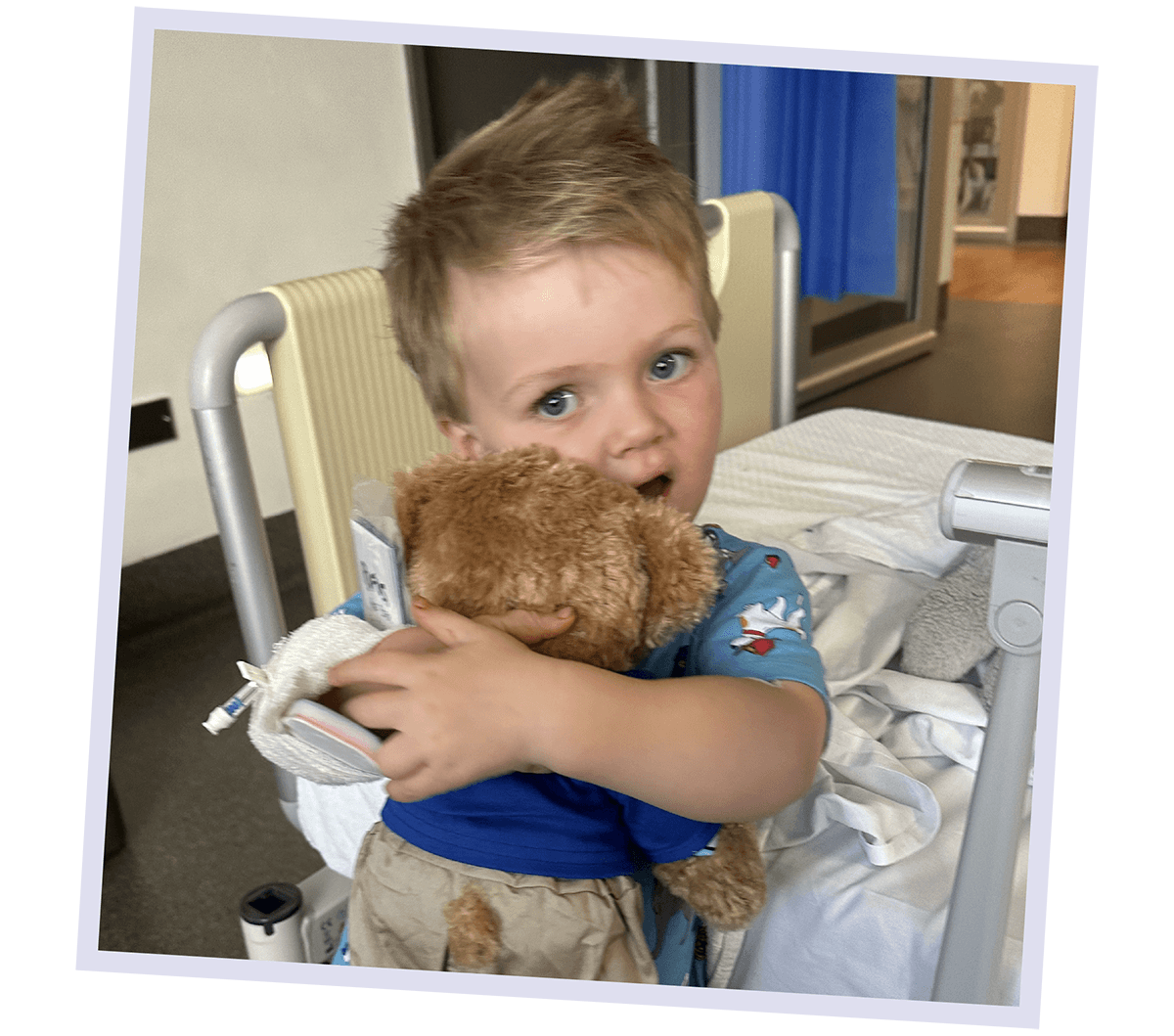
When 2-year-old Fletcher couldn’t stop drinking water, his mum Alex began to worry. When he started rapidly losing weight, she took him to the doctor – only to be brushed off. Then Fletcher began falling asleep at 9.30 every morning.
Alex's instinct told her this was more than just a tired and thirsty toddler. This was something serious.
“Everyone told me not to Google,” she says. “But I knew something wasn’t right.”
She took Fletcher to a doctor and insisted on a finger-prick test to check his blood glucose levels.
Fletcher was diagnosed with type 1 diabetes (T1D) just in time.
If it had been just 24 hours later... Alex can't bear to even consider what might have happened.
This story is far too familiar for many families living with T1D. And so is the heartbreaking reality of their day-to-day life.

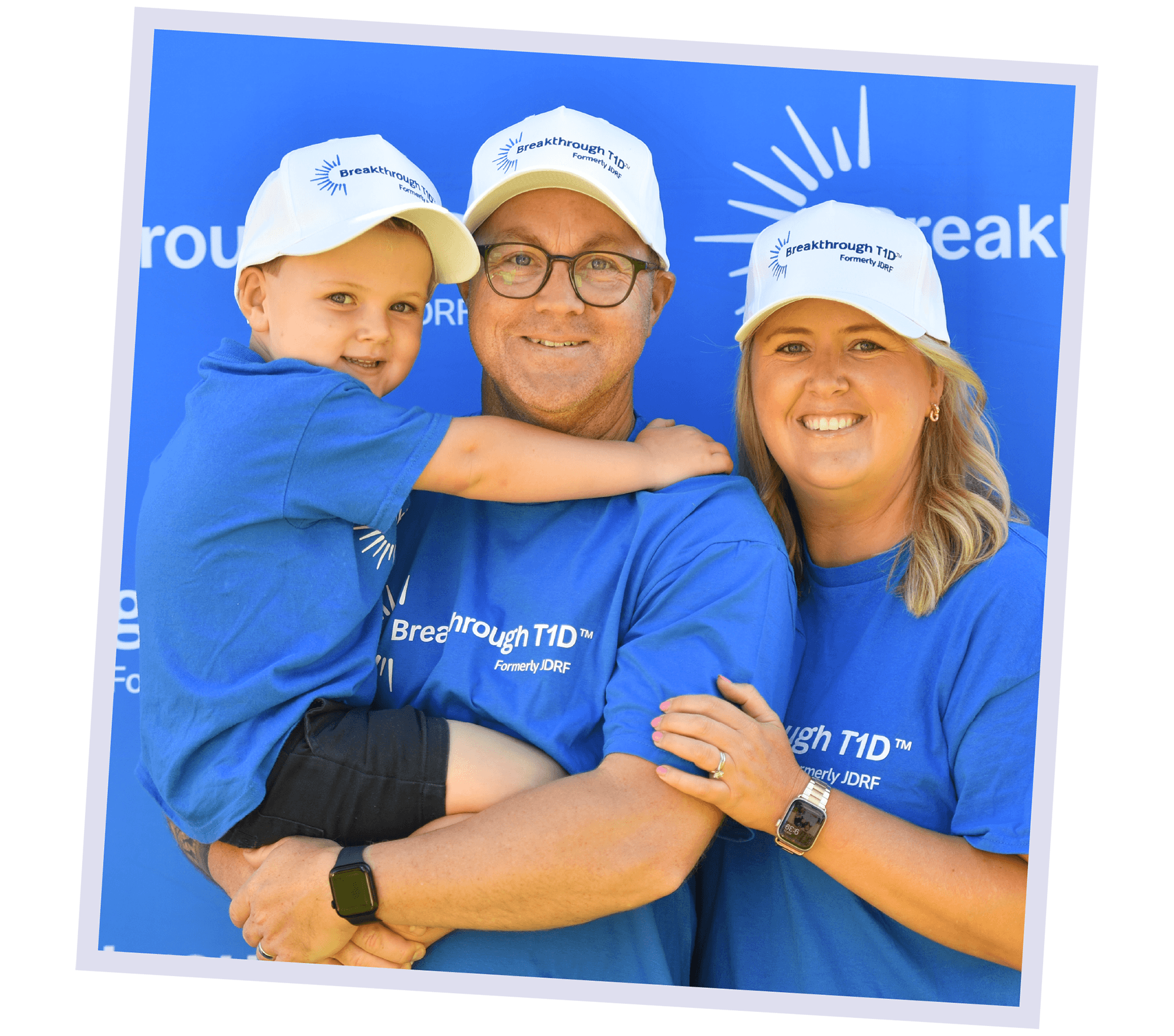
When Fletcher was diagnosed with T1D, Alex was heartbroken. “I suppose you never really think that it’s going to be your own child.”
Managing T1D is a 24/7 job, and the burden can be overwhelming. Every day, Alex worries whether Fletcher will catch a tummy bug, which often leads to a hospital admission. Every day, she worries about sending him to daycare, closely monitoring his glucose levels from afar. And every day, she worries about his future.
“Once your child receives a T1D diagnosis, your whole world just becomes T1D. Little did he know his whole life was going to filled with injections, site changes and constant pain.”
— Alex
While technology has advanced significantly in recent years, the daily reality of managing T1D still carries a heavy burden.
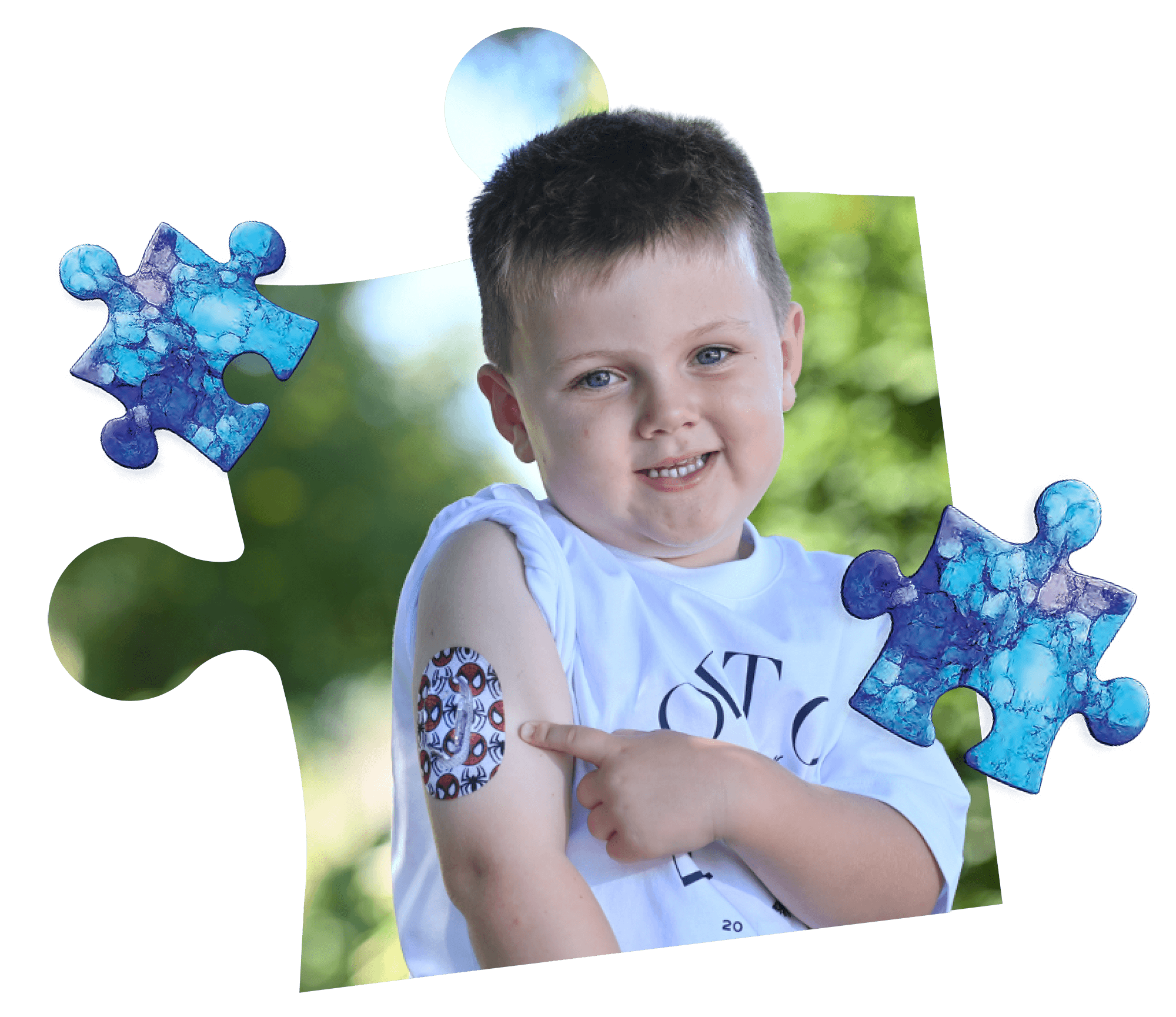
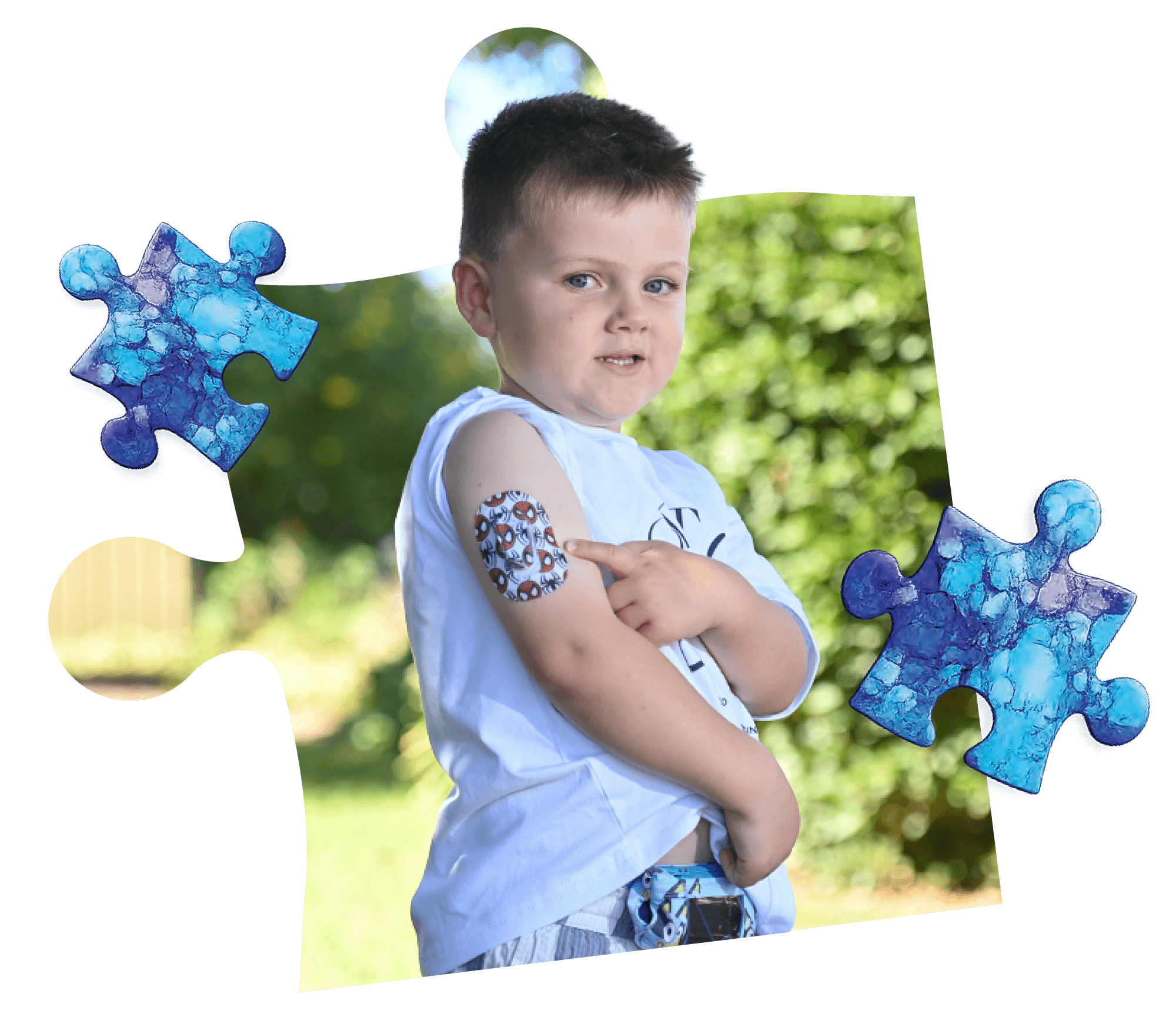
Insulin pump site changes every few days, along with finger pricks and injections, create an ongoing physical and mental load. For Alex, watching Fletcher endure this, and knowing he may face it for the rest of his life, is deeply heartbreaking.
Hope in a cure is what keeps Alex going… and keeps her fighting for breakthroughs.
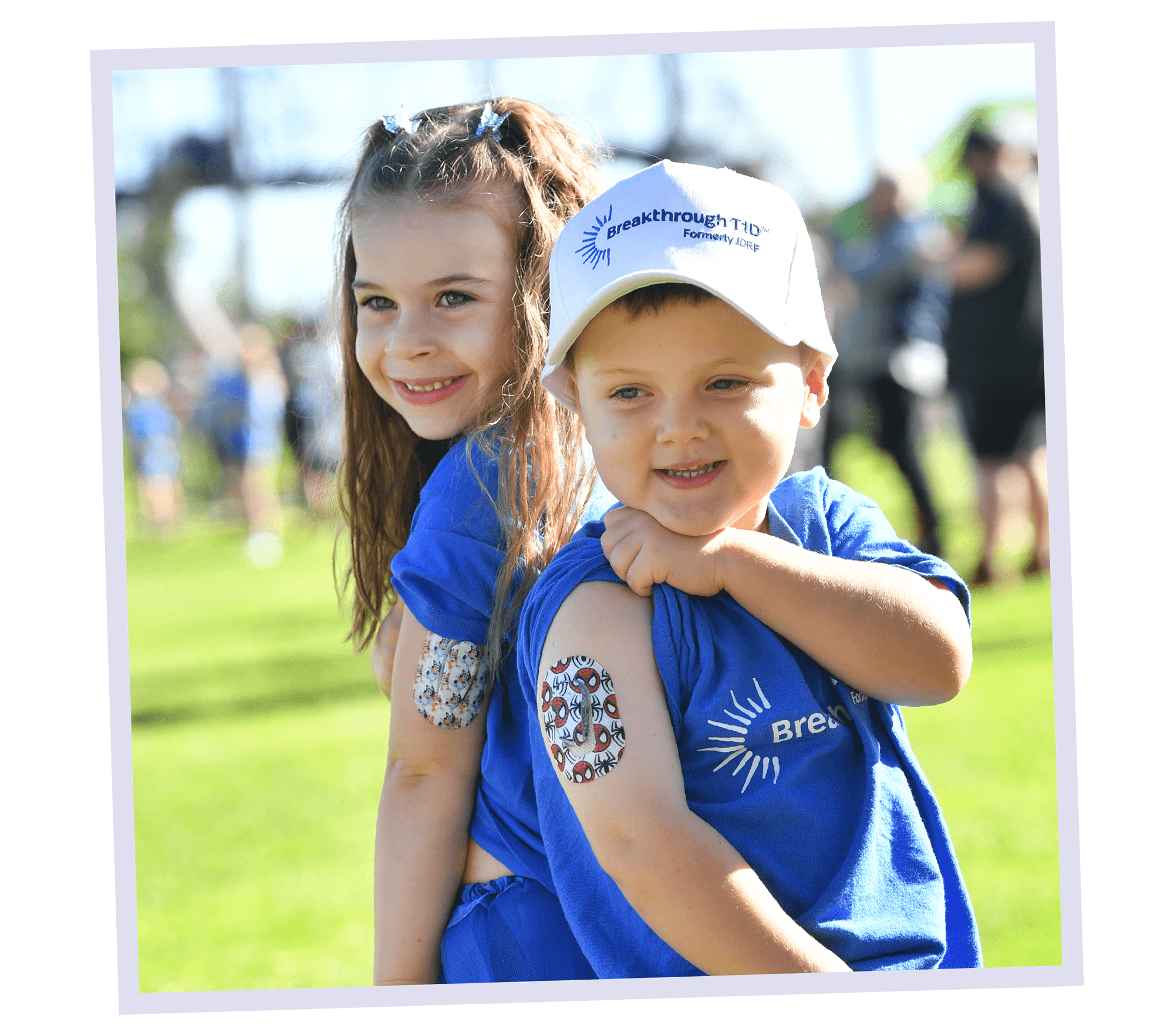
With your help, islet transplantation could be in Fletcher’s future.
Islet transplantation is a procedure where islets, which contain insulin-producing beta cells, are taken from a donor pancreas and transplanted into someone with T1D.
Once inside the recipient, the new beta cells start producing insulin again.
While islet transplantation holds incredible promise, it's only been made available to a small group of people with specific T1D complications. And for kids like Fletcher, the health risks associated with islet transplantation – and the immunosuppressant drugs needed for it to work – have outweighed the potential benefits.
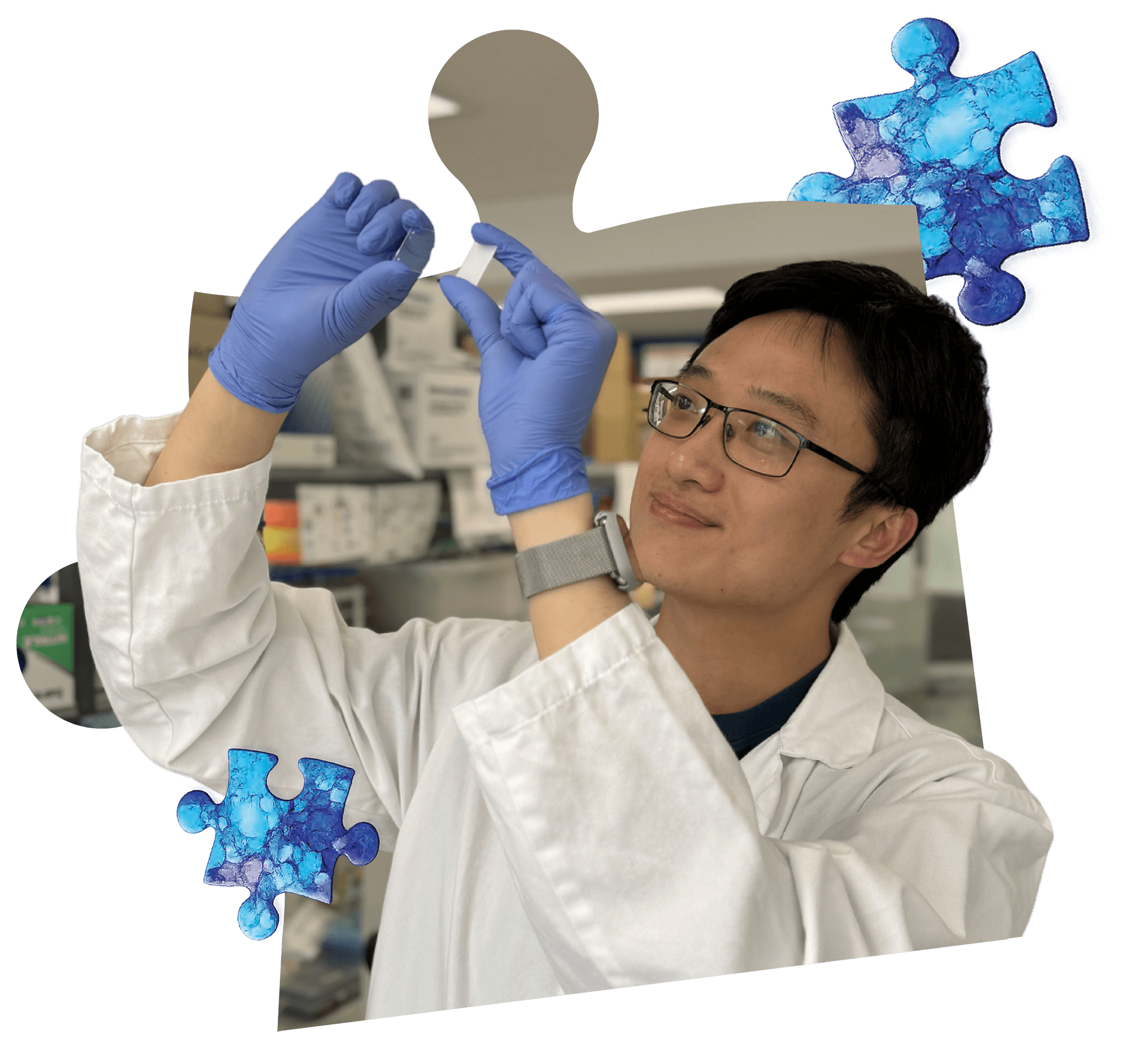
“People who receive islet transplants currently need to take strong immunosuppressant drugs, to stop their body from attacking the new insulin-producing cells. These drugs come with dangerous side effects, such as increased risk of cancer, infection and kidney damage."
— Dr Seigmund Lai, lead researcher
But thanks to innovative research focused on removing those risks, there's new hope for the future. The puzzle is being solved, piece by piece, discovery by discovery.
Dr Seigmund Lai’s Breakthrough T1D-funded project is looking for ways to replace the insulin-making cells lost in T1D without the need for long-term use of immunosuppressant drugs.
Early work by Dr Lai is very promising, and his team is preparing to transplant stem cell-derived beta cells into animal models. Clinical trials are still several years away, but the current research is laying essential groundwork.
If successful, this trial could lead to a safer, more effective, and more widely available treatment – and even a potential cure – for T1D.
“Research is moving incredibly quickly, and we understand more about T1D now than ever before. Support from Breakthrough T1D directly fuels discovery. It keeps experiments running and helps push the science forward.”
— Dr Seigmund Lai, lead researcher
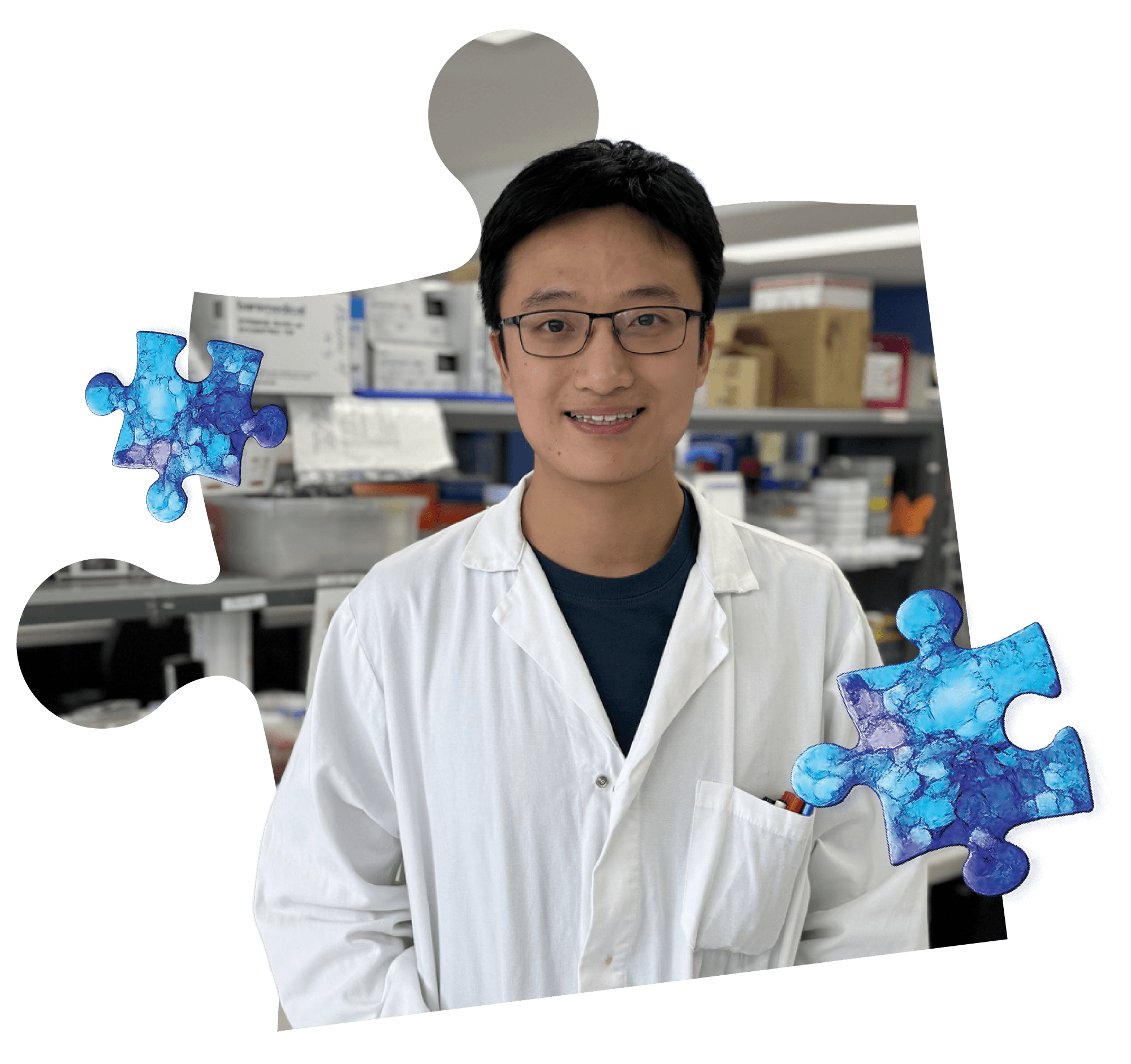
When Alex heard that researchers were working to solve the puzzle of a potential cure with islet transplantation, she was over the moon.
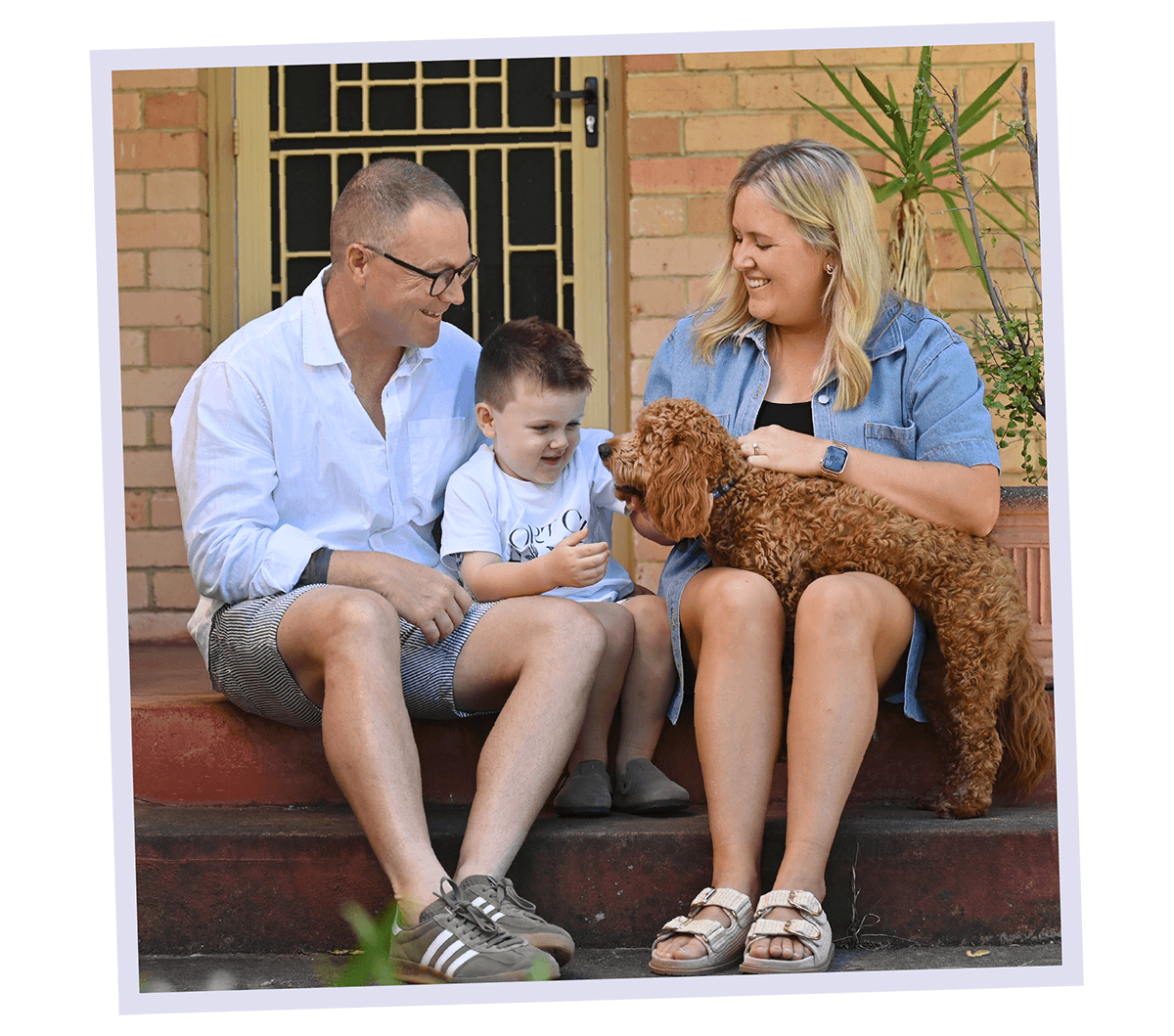
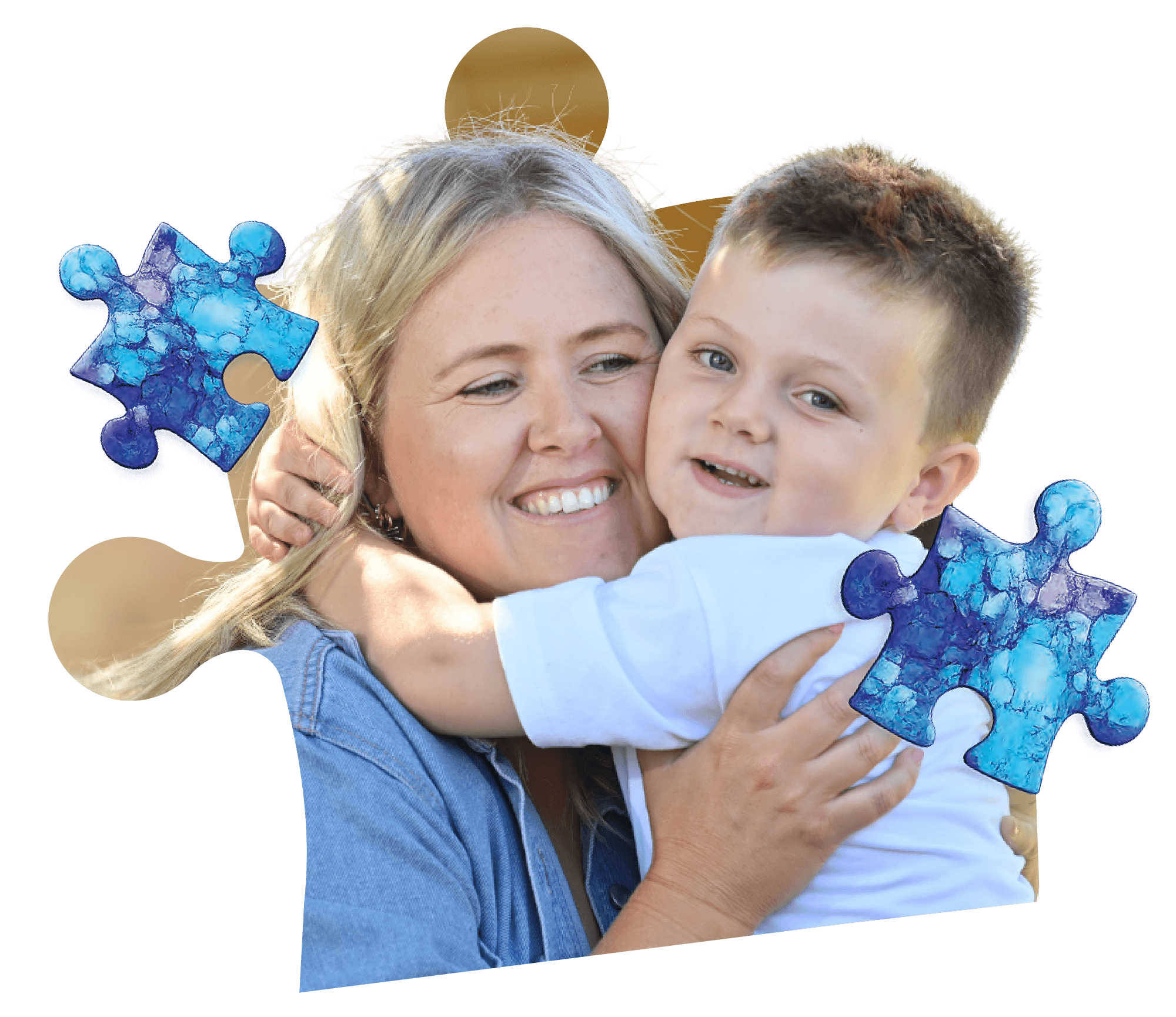
“I get so excited and hopeful for a more carefree future for Fletcher. My only question is: is this really going to happen in his lifetime? I so hope it is.”
— Alex
This promising research gives Fletcher and his family hope for a brighter future.
A future without carb counting. A future without painful procedures. And a future free from the constant burden of T1D.
“To everyone thinking about donating, please dig deep. We're getting closer to a cure, and we want to one day be able to say to Fletcher, 'Back when you had diabetes...',” Alex says.
Breakthroughs like this are only possible with the support of people like you.
Your backing helps turn promising research into real progress.
With every contribution you make, you’re helping move the needle toward developments that can bring us closer to a world without T1D.